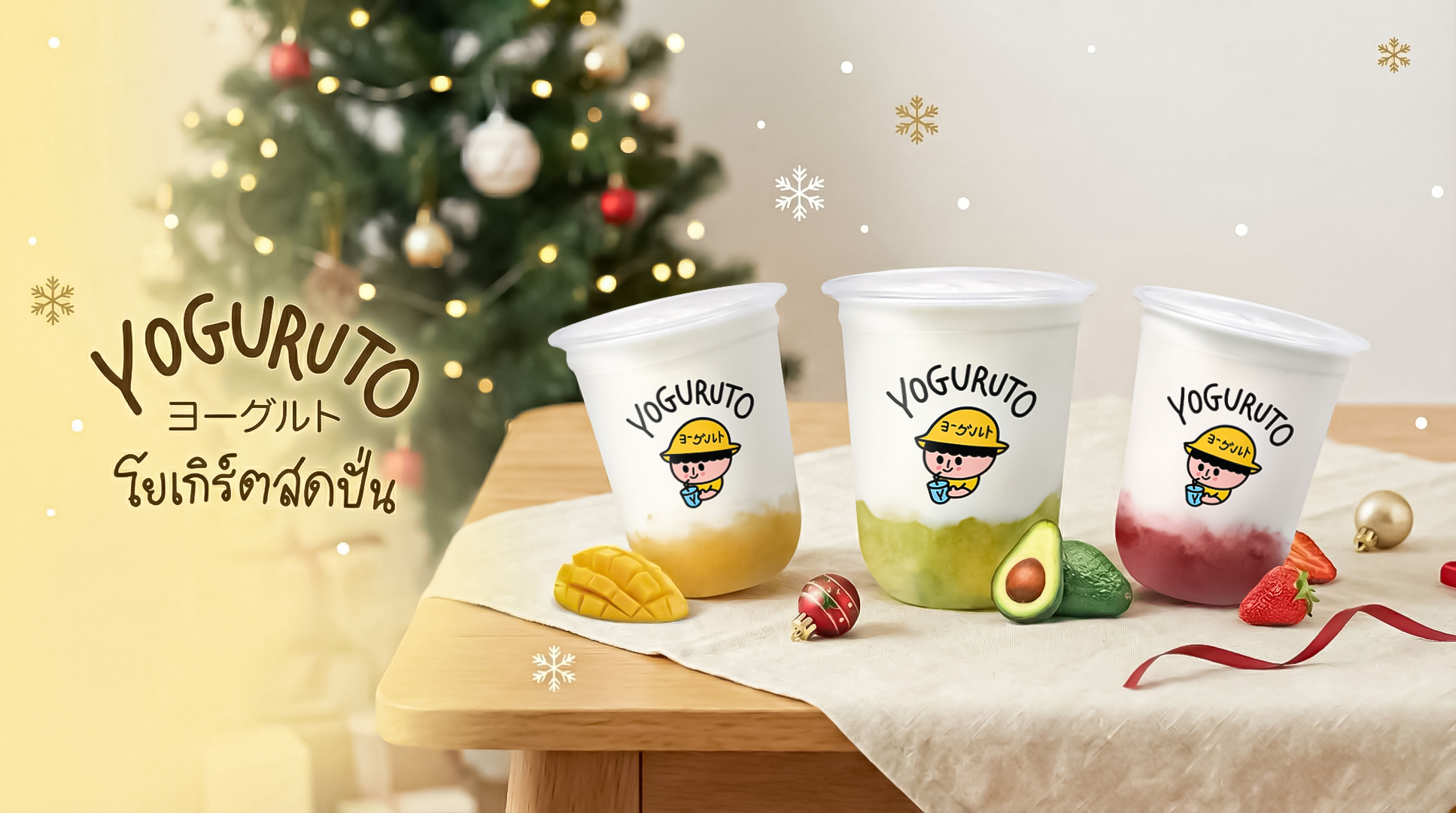
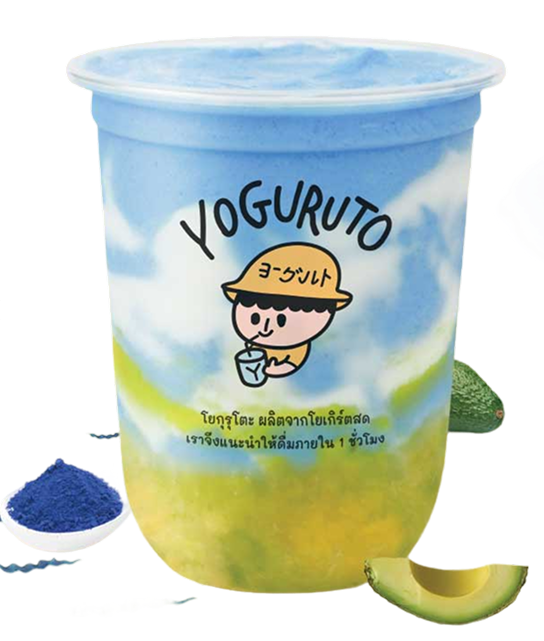
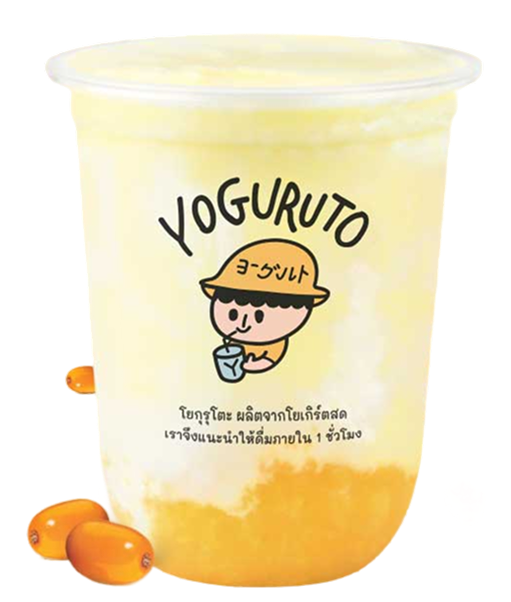
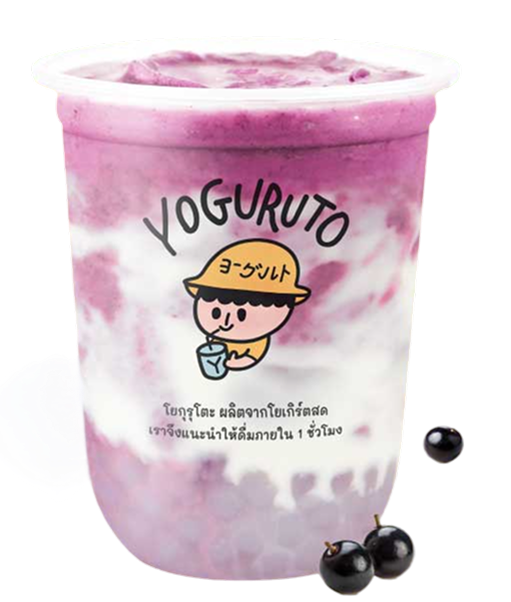
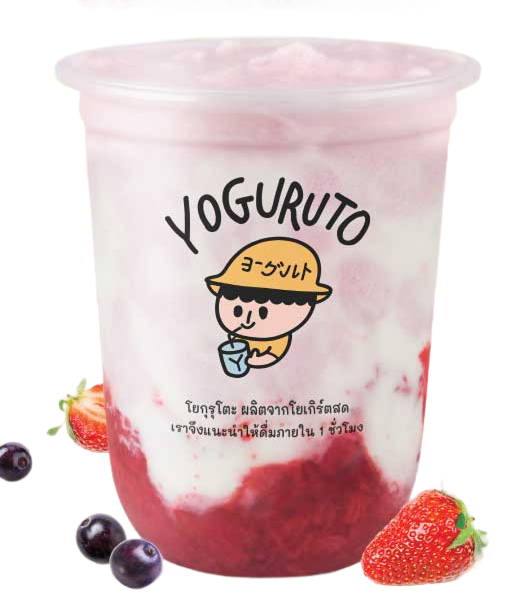
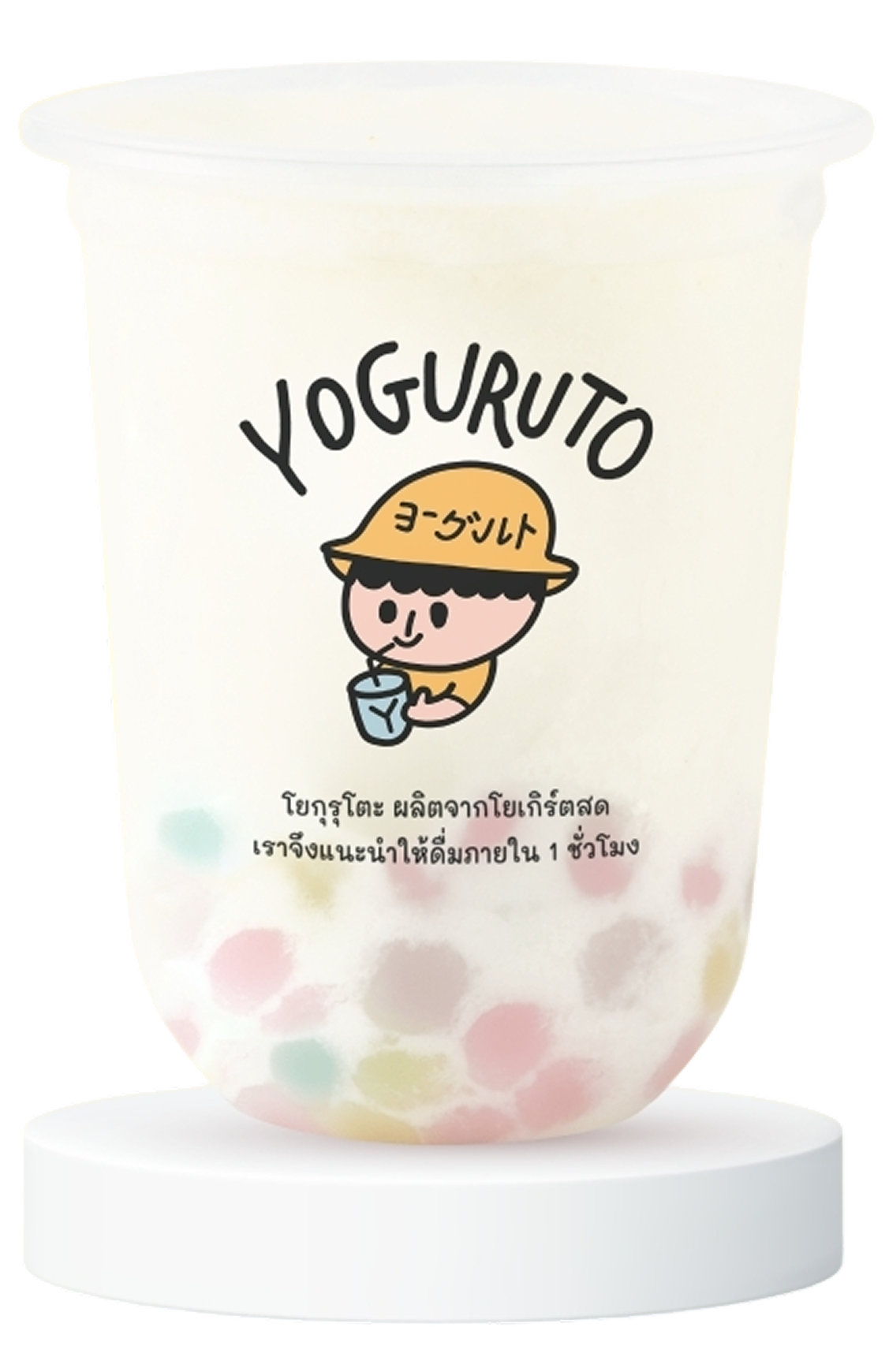
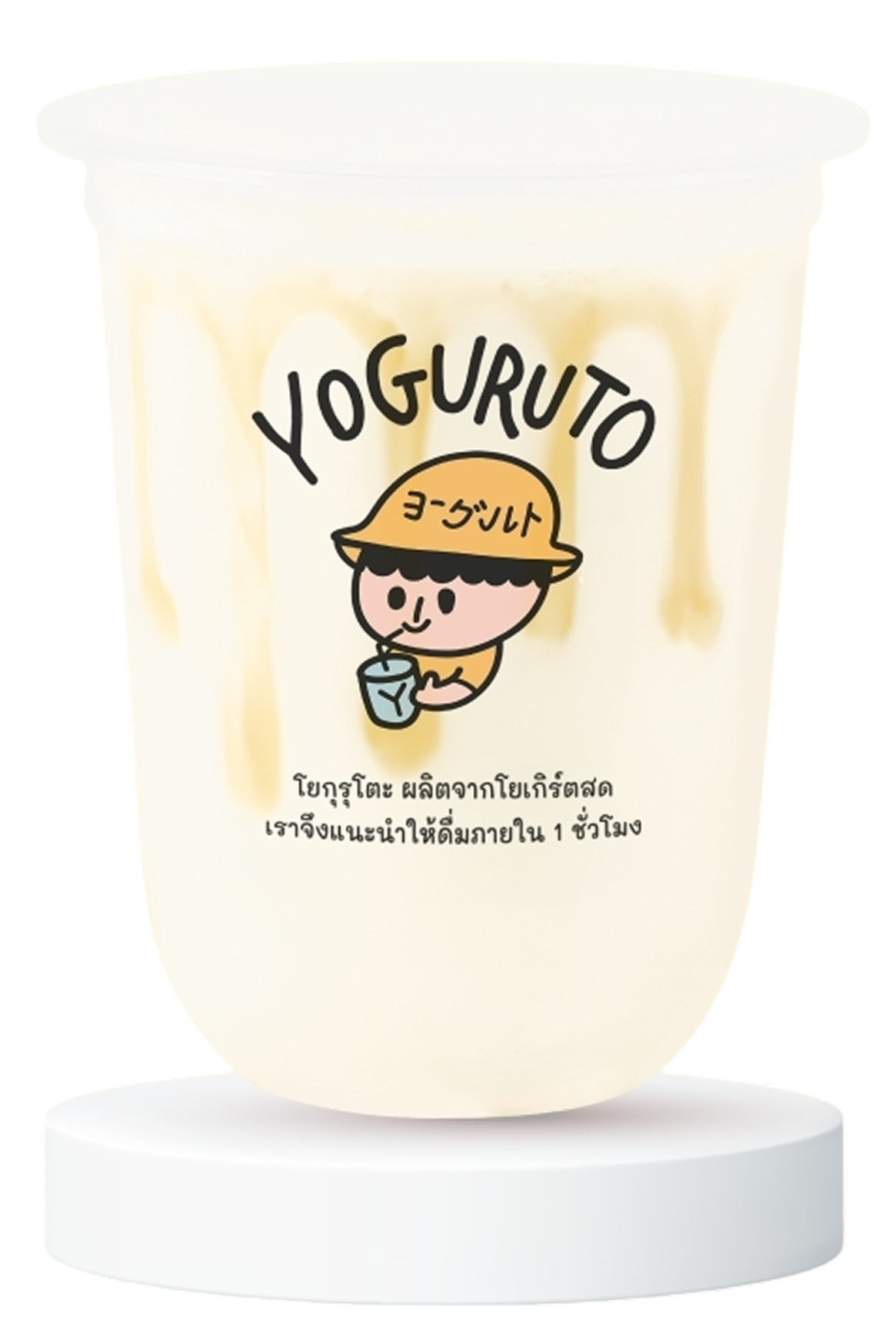
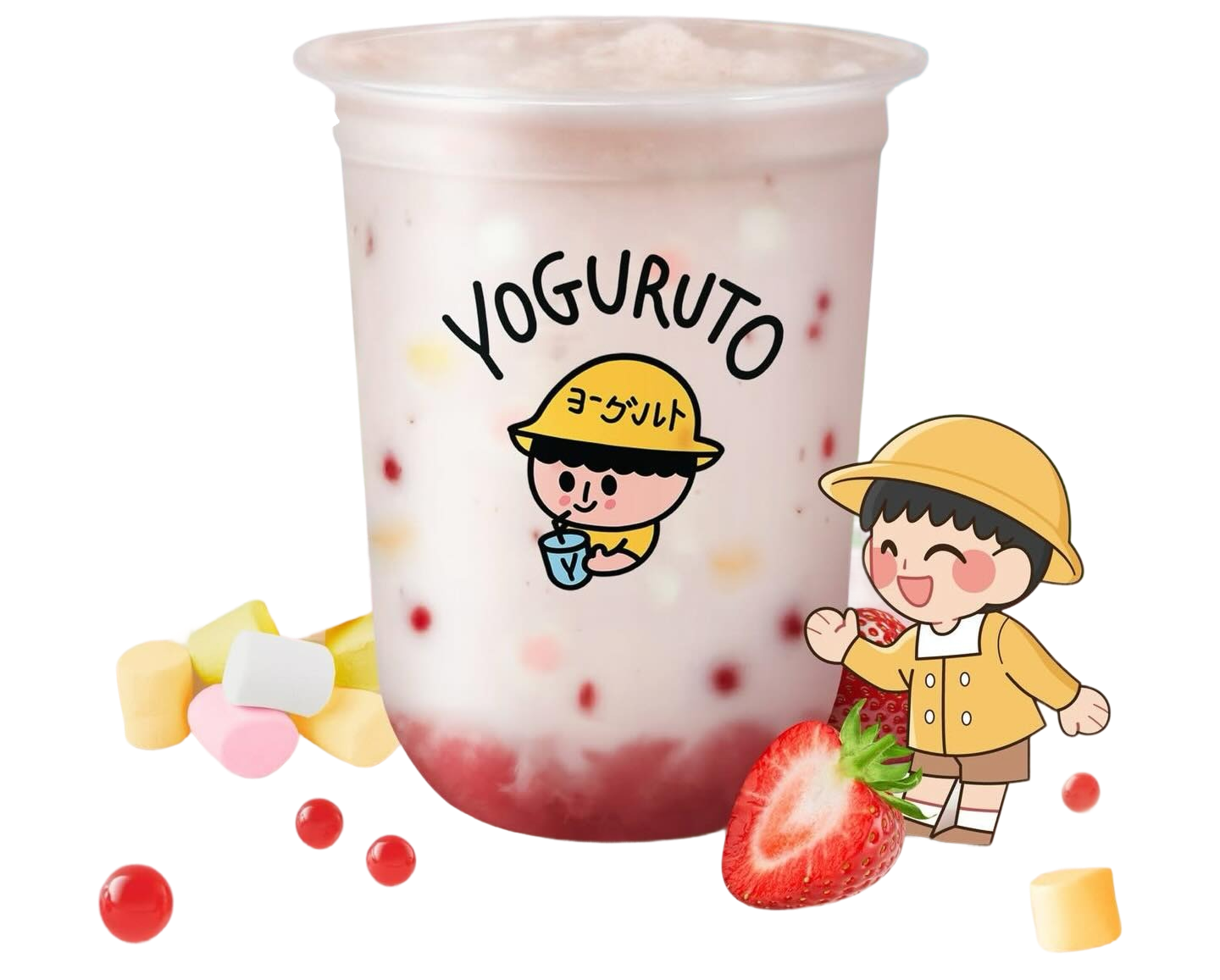
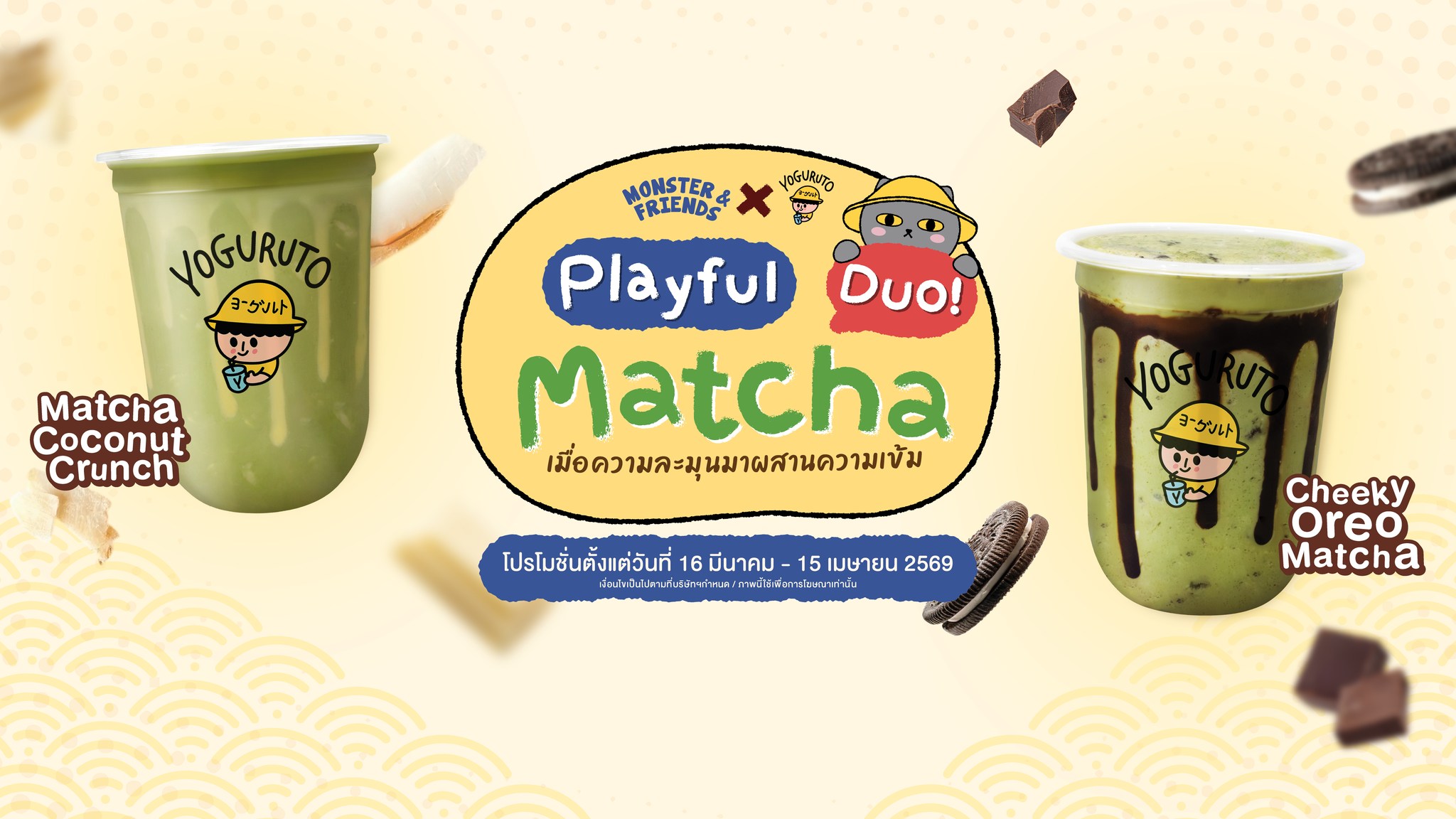
Yoguruto Thailand is a growing yogurt dessert franchise with physical stores across multiple regions in Thailand. This is not a concept project — the brand already had offline traction, franchise operations, and recognition from Forbes Thailand.
The task was to build a web presence from scratch that could serve real customers, international visitors, and franchise investors — simultaneously — in three languages, within four days.
Bootstrap 5
HTML · CSS · Vanilla JS
AI-assisted (Vibe Code)
4 Days
Design + Build
End-to-end delivery
Website
Brand · Product · Franchise
3 pages delivered
Solo
UX Strategy · Visual Design
Frontend Development
Thai consumers increasingly seek desserts that balance indulgence with wellness. Frozen yogurt and reduced-sugar options have gained traction alongside a broader café culture boom — particularly in Bangkok and university-adjacent areas such as Salaya.
International brands like Yolé ("zero dairy, zero sugar") signal where aspirational positioning is heading: clean ingredients, clear nutritional communication, and a strong digital-first presence paired with playful, premium visual identity.
Key Insight
Yoguruto already had real offline momentum — physical stores, multiple regions, a franchise model, Forbes Thailand recognition. The gap was digital: no web presence to match it.
Market reference: Yolé — comparable positioning in the premium frozen yogurt space
Without a web presence, every user intent — browsing the menu, placing a delivery order, finding a branch, or exploring a franchise investment — had no digital home. The core UX challenge was serving four distinct audiences within a single, coherent structure without overwhelming any of them.
Wants to browse the menu, customize an order, and find the nearest branch or delivery channel quickly. Needs minimal friction.
Chinese-speaking tourists or expats encountering the brand — needs content in their language to feel confident enough to engage and order.
A potential investor evaluating whether Yoguruto is a credible opportunity. Needs clear format options, support signals, and a clear contact path.
Someone encountering Yoguruto for the first time — needs to understand the brand story, product quality, and what makes it different from alternatives.
The site was structured around distinct user intentions rather than a catch-all layout. Each page owns a different part of the user journey, with Home carrying the heaviest load as discovery, conversion, and retention hub simultaneously.
User Flows by Intent
Everyday Customer
International Visitor
Franchise Prospect
Brand Discoverer
Global — Across All Pages
With four distinct user intents and a 4-day window, every design choice needed a clear anchor. These principles weren't written after the fact — they were the filters applied while building.
The Yogurt Builder makes every visit feel active and unique. Users construct their order — flavor, toppings, sweetness — with live calorie and price feedback. No two cups are the same.
Thai, English, and Traditional Chinese — fully implemented across all three pages with persistent language preference. Four delivery platforms meet users where they already order.
The brand's warm personality shows in hover animations, sweetness character illustrations, badge styling, and a cream-yellow-red color system that feels fresh and dessert-forward — not clinical.
The franchise section uses a deliberately dark-background treatment to shift tone from casual consumer to serious investor conversation. The Our Story page reinforces the brand's real history and values.
The visual system was derived from the brand's existing identity — not imposed on it. Every token reinforces the same core feeling: natural, indulgent, and approachable.
Typography
sofia-pro-soft
Primary brand typeface — rounded, warm, friendly
Colour Palette
Key UI Patterns
Sticky · blur(18px) · rgba white bg
Price badge · Red pill · Absolute top-left
Glass bg · radius-24 · soft shadow
CTA button · Brown pill · Full-width on mobile
As the primary landing destination, Home needed to orient all four user types within seconds — without overwhelming any of them. The page was structured as a progressive reveal: broad brand statement → specific product → engagement → conversion.
3-slide hero carousel — cycles between Fresh Yogurt, Ice Cream, and Crispy Croffle. Communicates product range on arrival before any scrolling. Auto-plays at 3-second intervals.
Hot Menu (4-column grid) — top-selling items with price badges and hover-zoom animation. Provides quick product context before users scroll to the full builder experience.
Promotions (6 cards) — rotating offers including Buy 2 Get 1 Free, Member Discount, Weekend Deal, Seasonal Special. Drives repeat visits and rewards loyalty.
Franchise pill in navbar — persists across all pages, ensuring investor prospects can navigate directly to the franchise section regardless of where they first land.
Hot Menu Section — 4-column grid with price badges & hover-zoom
The Yogurt Builder is the most complex and differentiated feature on the site. It transforms passive menu browsing into an active, personalized experience — directly reflecting the brand's core value of customization while giving users a reason to stay and engage.
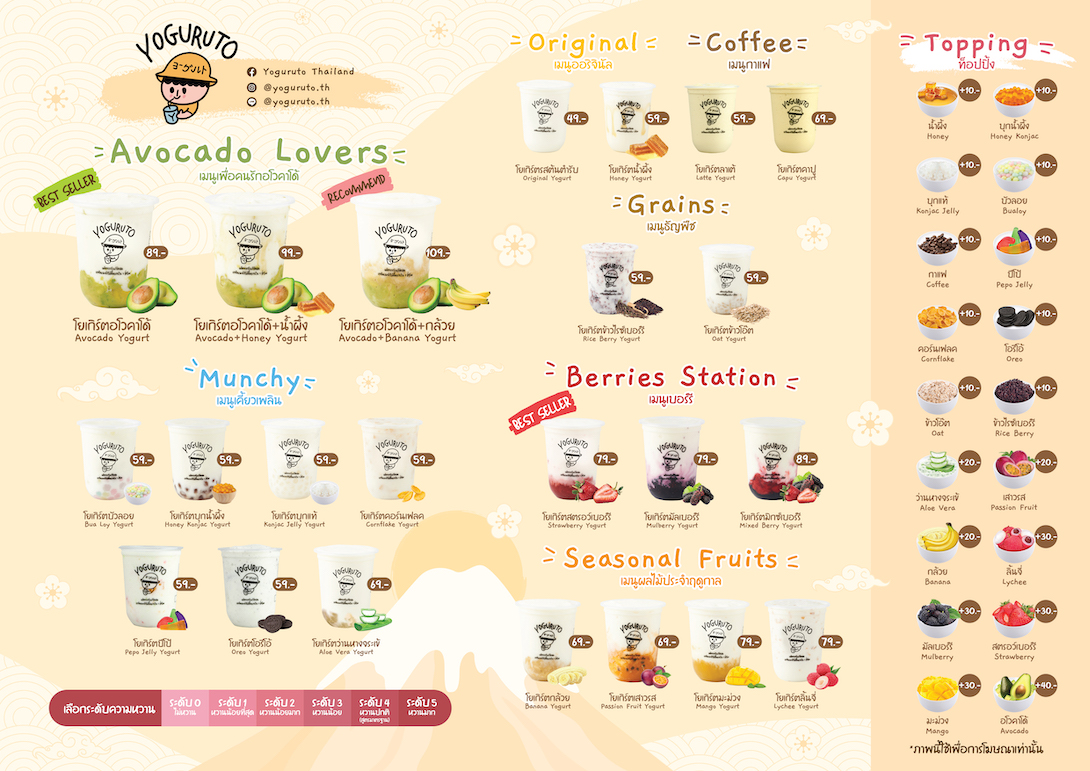
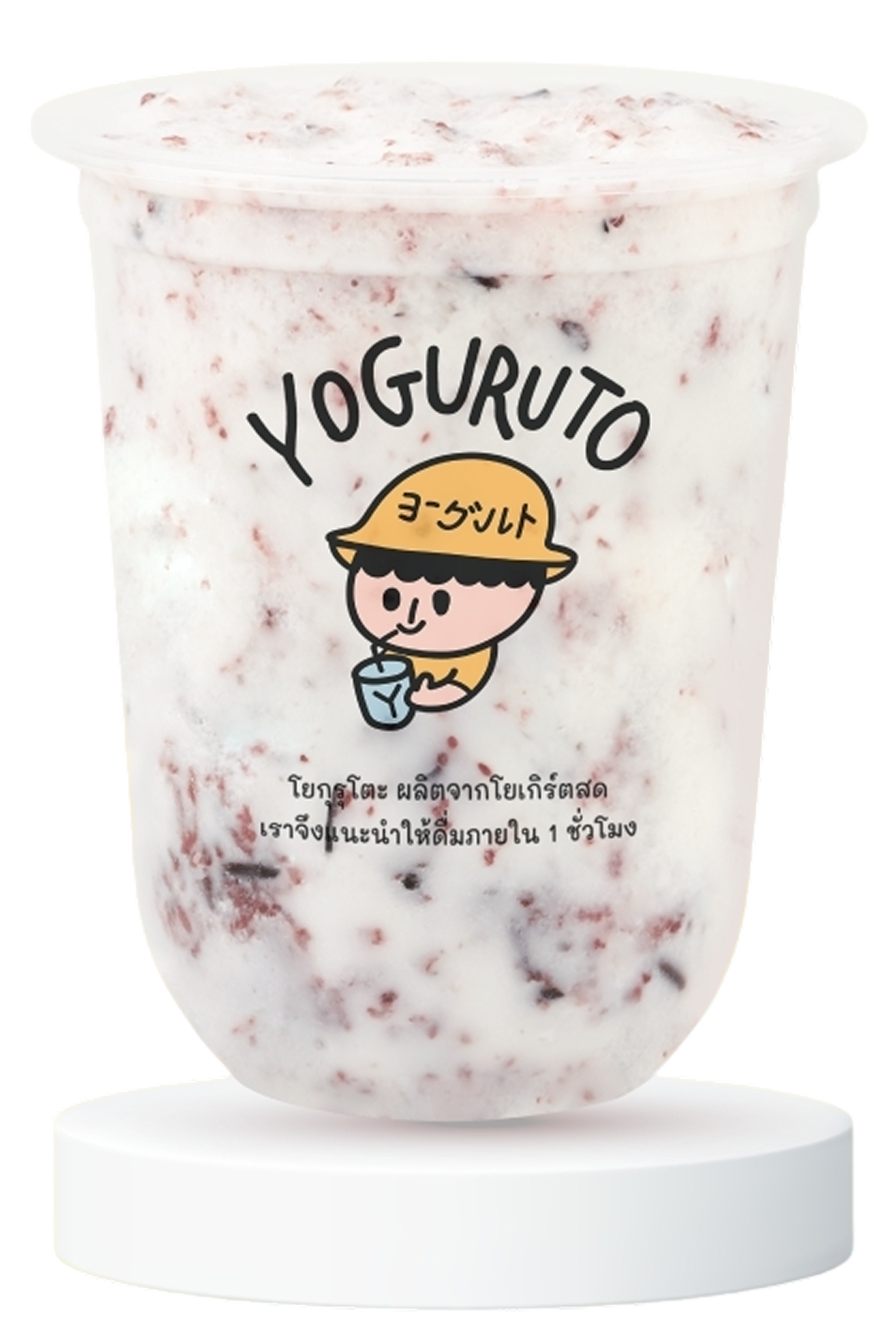
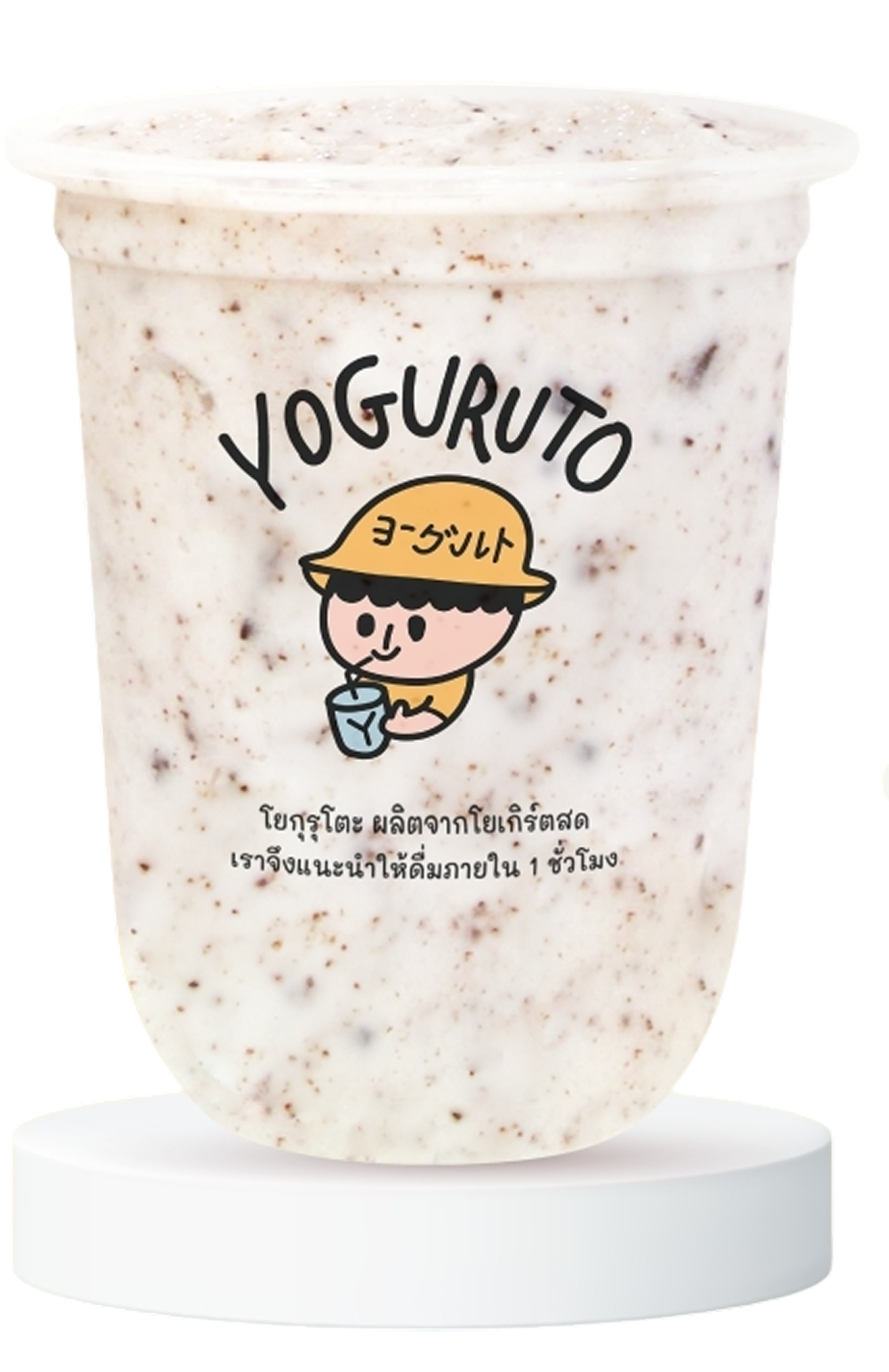
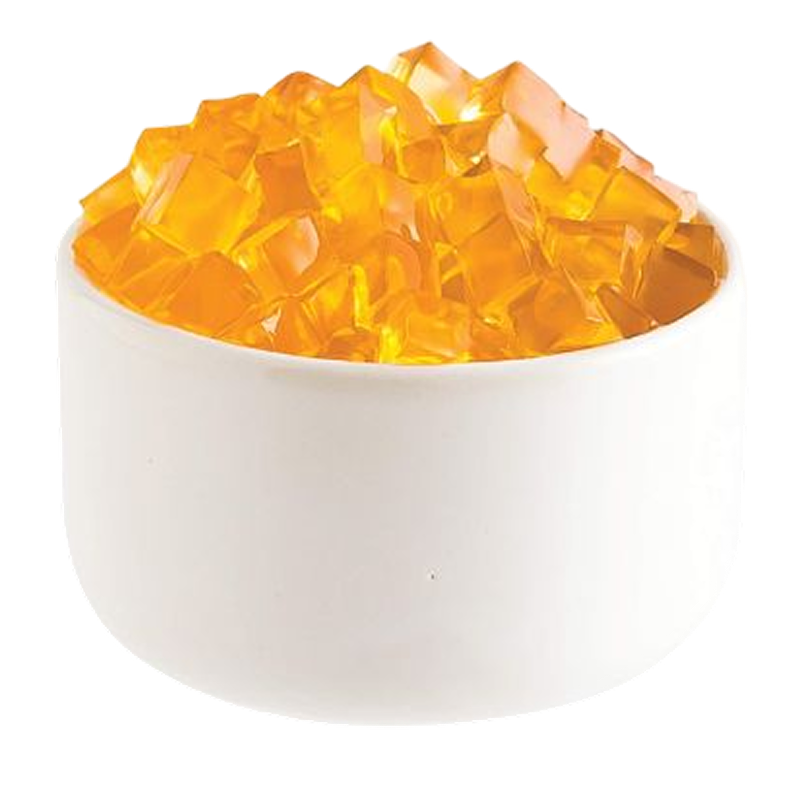
4 yogurt flavors (Original 49฿ · Honey 59฿ · Purple Rice 59฿ · Oat 59฿) — each with individual calorie counts. Selecting a flavor updates the live cup preview image in real time.
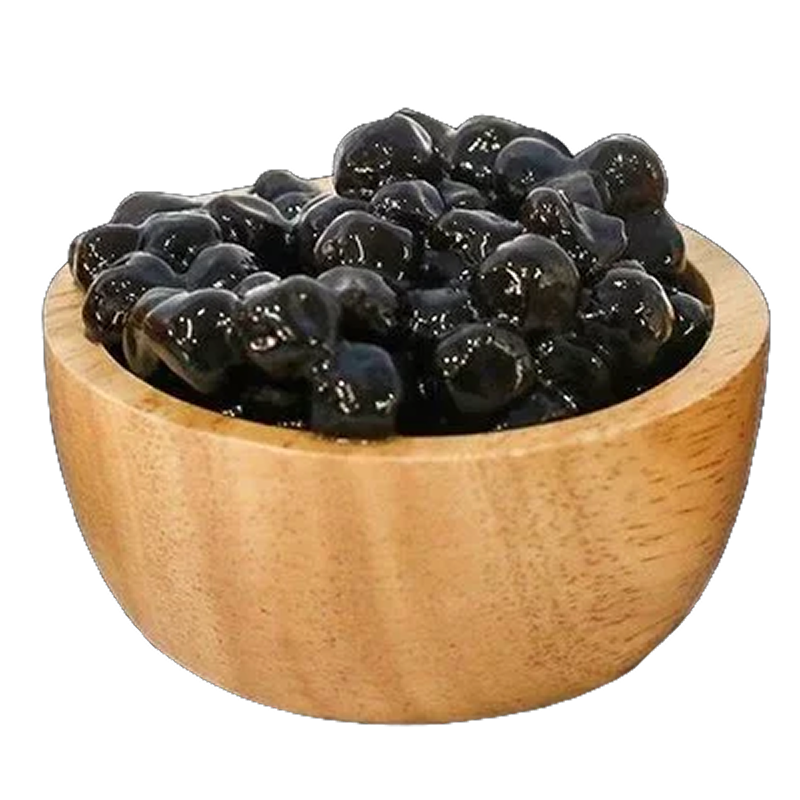
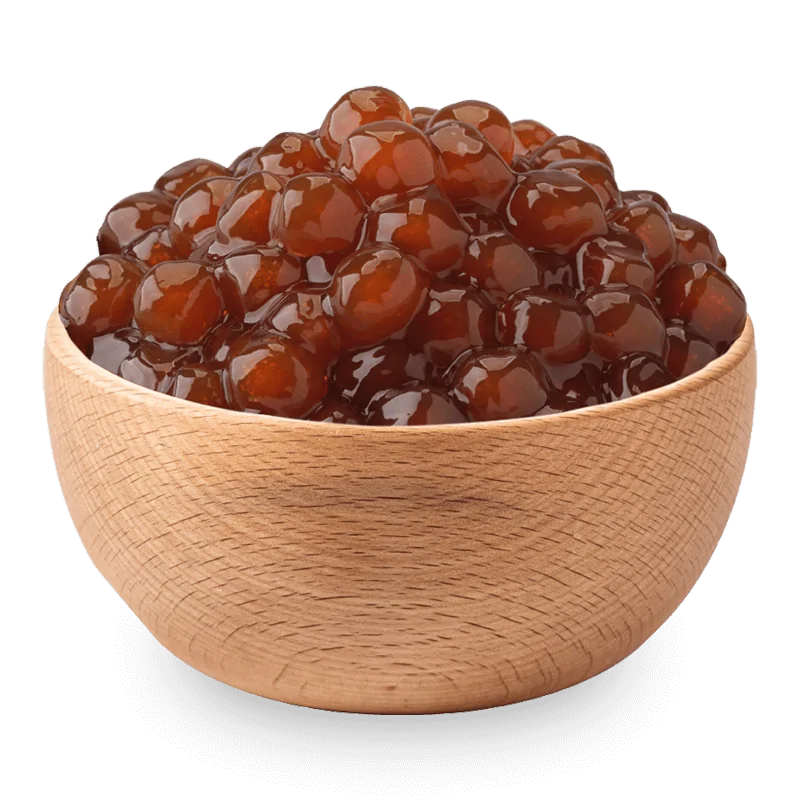
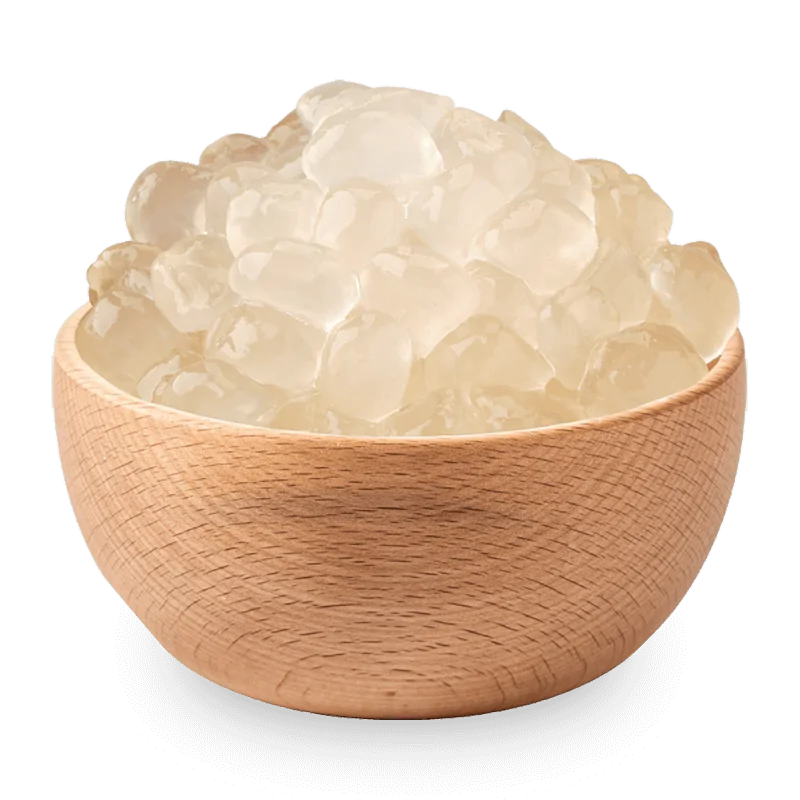
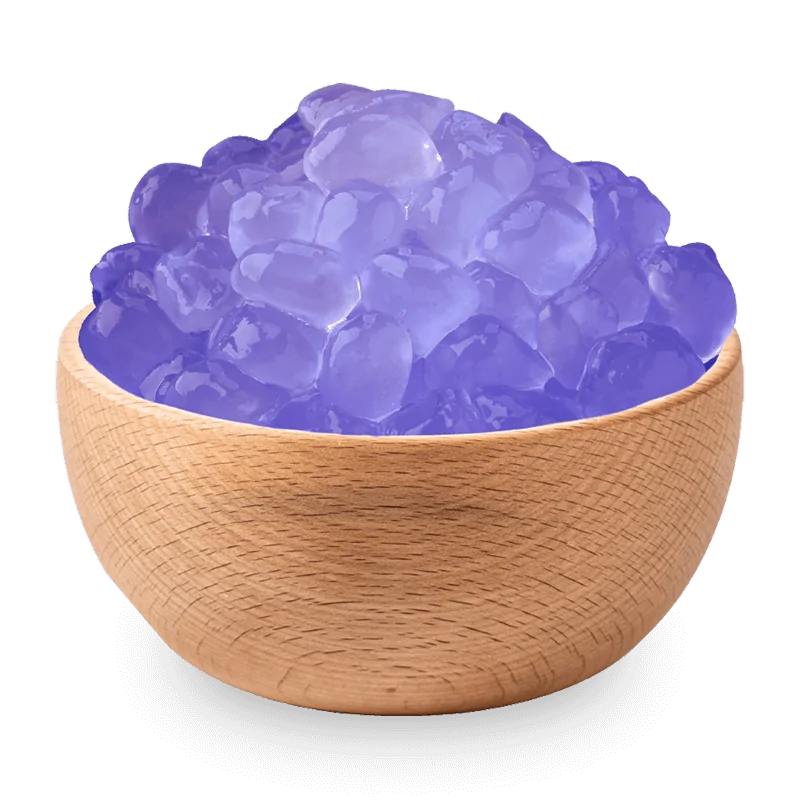
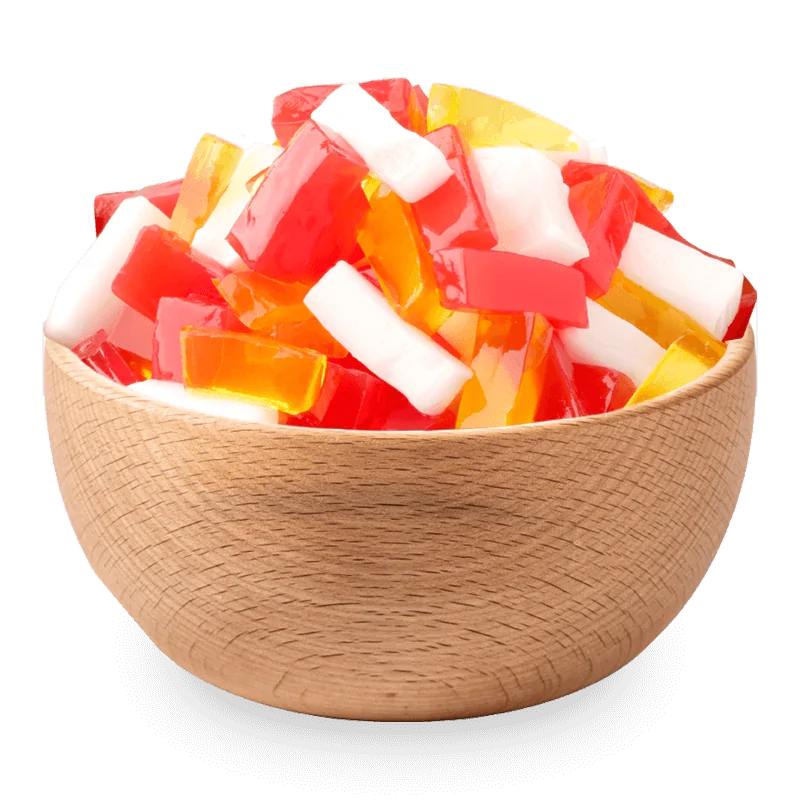
6 toppings, max 3 (10฿ each) — a deliberate constraint that prevents decision paralysis while offering meaningful variety. Exceeding the limit shows an inline warning instead of silently blocking the selection.
5 sweetness levels (0%–100%) — with a character illustration that changes expression to reflect the selected level. Adds delight and clarity simultaneously without needing text alone.
Live summary panel — total calories and price update on every selection change. "Order now" triggers the delivery modal, completing a full ordering path without leaving the page.
Yogurt Flavors — Live Cup Preview
Toppings — Choose up to 3 (10฿ each)
Sweetness Scale — Character changes at each level
Two complementary conversion mechanisms sit at the bottom of the Home page — one for in-person visits, one for delivery — ensuring neither user path is left without a destination.
Branch Finder — map preview of the main Mahidol Salaya branch with a regional breakdown across 5 areas (Central · North · South · East · West). "Go to nearest branch" links directly to Google Maps.
Delivery modal (4 platforms) — a single "Order online" tap (available from the navbar, the Builder, and multiple CTAs) opens a modal with Grab, LineMan, RobinHood, and ShopeeFood shown side by side.
UX decision — modal over page: Keeping delivery within a modal rather than routing to a new page prevents drop-off. All four platforms are shown simultaneously with no preference hierarchy — the user chooses.
Delivery Platforms — All 4 shown simultaneously in modal
ROBINHOOD
LINE MAN
GRAB
SHOPEE FOOD
The franchise section deliberately breaks from the rest of the page's cream-and-yellow palette. It uses the brand-brown as a full-section dark background — signalling a shift in tone from casual consumer experience to serious business conversation.
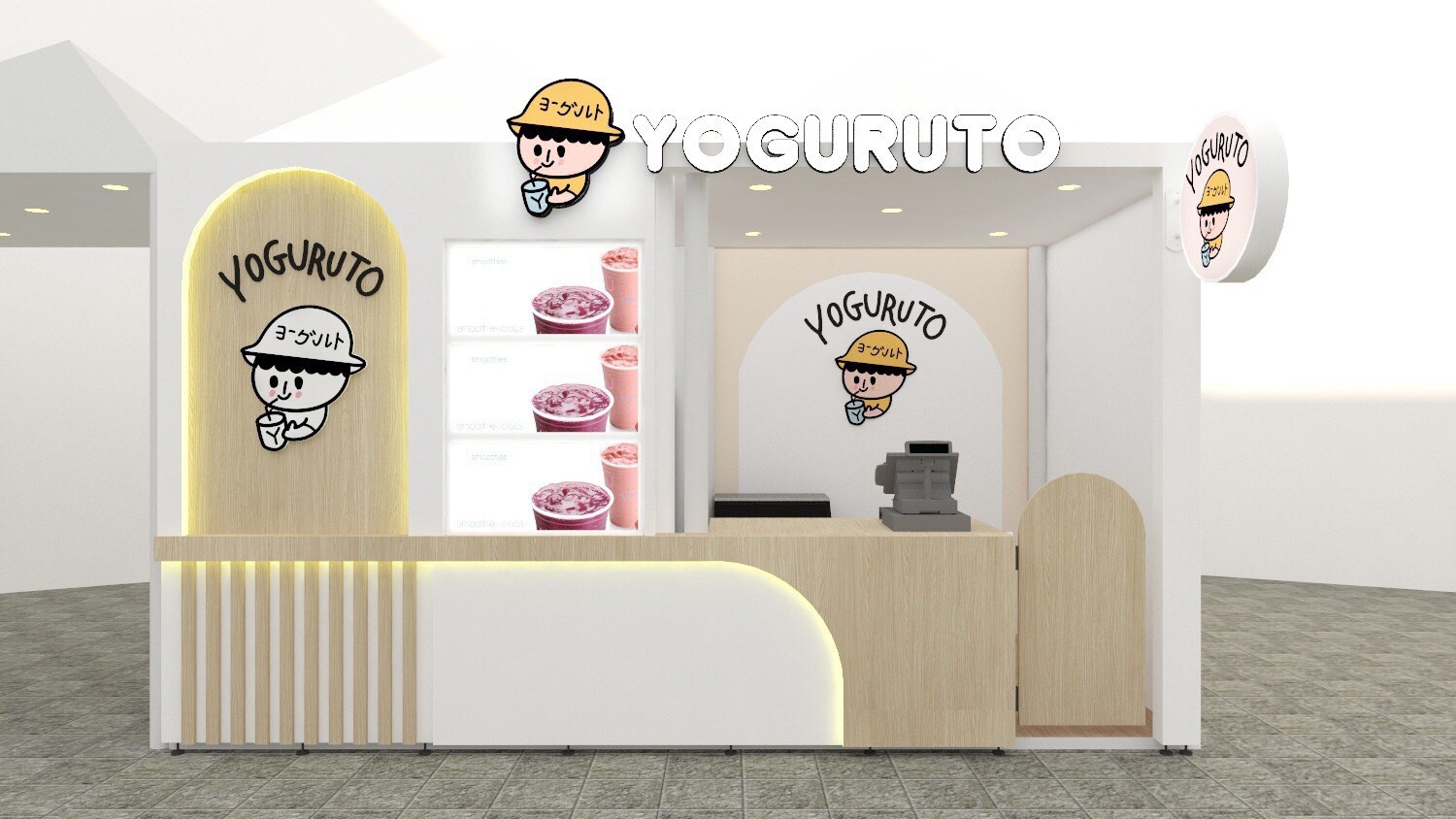
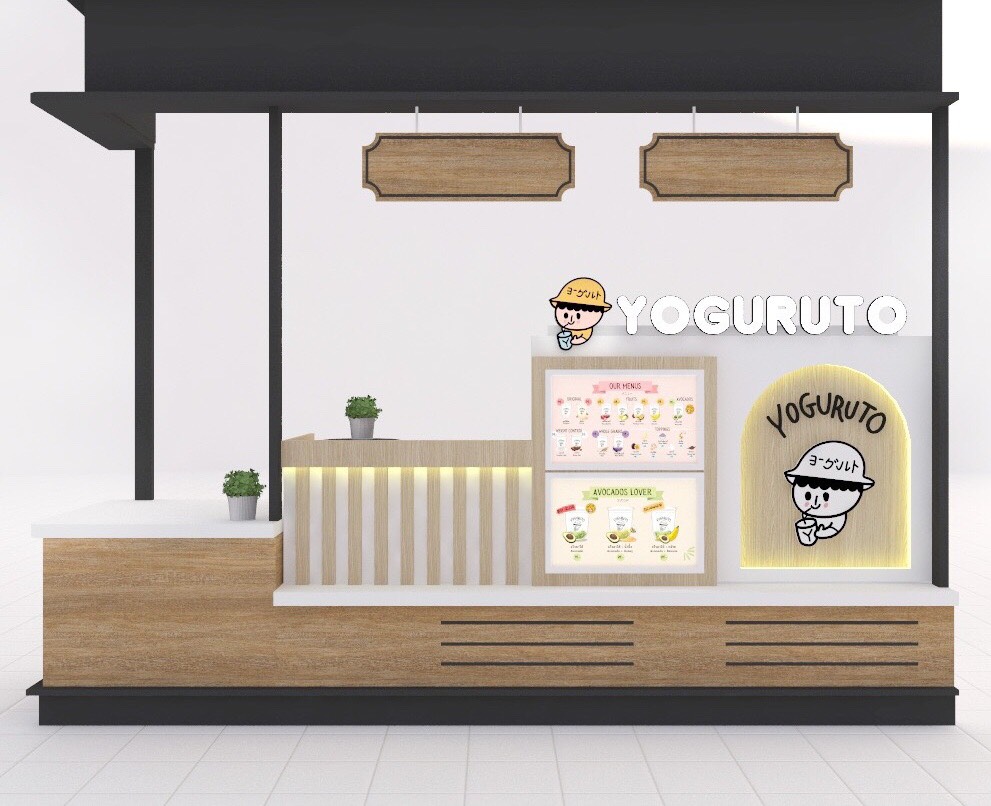
Two franchise formats — Type A (compact kiosk, low investment, easy to start) and Type B (full store, complete menu, high-potential locations) — address different investor profiles without requiring a dedicated page.
Persistent "Franchise" pill in navbar — present across all three pages. Franchise prospects who land on Menu or Our Story are never more than one click away from the investment section.
UX decision — same page, different tone: Embedding franchise on the homepage exposes investor-relevant credibility signals (product quality, customer interest, brand consistency) alongside consumer content — reinforcing the pitch without a cold landing page.
TYPE A
Compact Format
Small kiosk · Low investment · Full support system included
TYPE B
Full Store
Complete menu · Full brand experience · High-potential sites
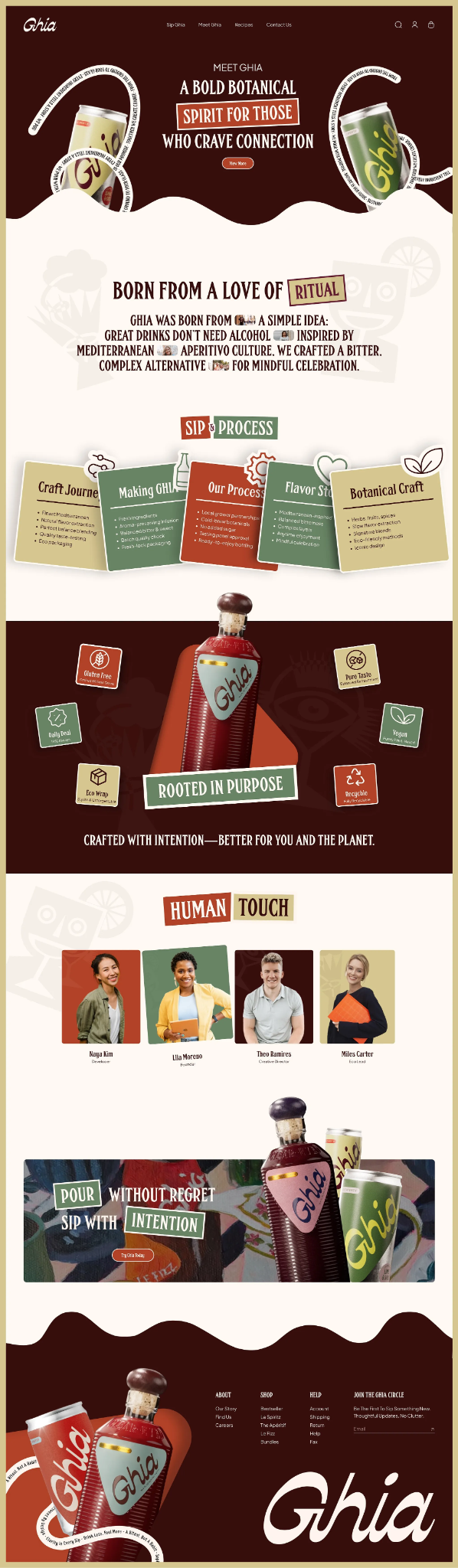
The Our Story page follows a storytelling structure borrowed from craft and artisan brands — specifically drawing on the narrative approach seen in references like Ghia ("Born from a love of ritual"). The goal was to turn what could be a generic "About" page into a genuine brand argument.
Origin Story — "Started from a love of yogurt." Frames the brand as authentic and founder-driven rather than manufactured. Positions the product as a labour of care, not a mass-market SKU.
How We Make It (4 craft cards) — Fresh milk · Live probiotic culture · Seasonal fruit toppings · No preservatives. Each card addresses a specific quality concern health-conscious consumers might hold before ordering.
4 brand values — Quality first · Customizable · Delivered to you · Eco-friendly. These values mirror the 4 design direction principles exactly, creating coherence between what the brand says and how the UX behaves.
Franchise CTA closes the page — after the brand story lands, the About page loops franchise prospects back into the conversion path — reinforcing the brand's growth trajectory and completing the persuasion arc.
Reference Influence
Ghia brand's narrative flow — origin story → craft process → human touch → invitation — informed the section sequencing of the Our Story page. The pattern works because it earns trust before asking for action.
"Vibe coding" is a methodology where design decisions are made and implemented simultaneously in the browser, using AI as a generative collaborator. It collapses the typical design → handoff → build cycle into a single continuous loop.
For a 4-day sprint with real brand assets and real delivery expectations, this was a deliberate strategic choice — not a shortcut. AI accelerated execution; human judgment drove every decision that mattered.
Result
3 fully responsive pages · Trilingual i18n · Interactive Yogurt Builder · 4 delivery platforms · Franchise section — shipped in 4 days with zero external dependencies beyond Bootstrap.
What AI Accelerated
What Required Human Judgment
A complete, production-quality web presence for a real brand — covering all four user intents, in three languages, with a fully interactive ordering flow. Every feature maps directly to a verified business or user need.
What Worked Well
The Builder as the anchor feature
Personalization creates investment in the product before purchase. The Builder gave users a reason to spend time on the page, which compressed the distance between discovery and intent.
Franchise embedded alongside consumer content
Placing franchise on the homepage let investor prospects see product quality, customer engagement, and brand energy in context — a more convincing pitch than a cold, isolated franchise landing page.
Trilingual i18n without a framework
A lightweight vanilla JS implementation — a single i18n object with three locale keys, rendered on every DOM update — kept the site zero-dependency while supporting full language switching with localStorage persistence.
What I'd Revisit
Prototype before building
Vibe coding worked for speed, but a low-fidelity Figma prototype first would have surfaced mobile layout conflicts earlier — particularly in the Yogurt Builder's multi-column layout.
Builder scrolling on mobile
Stacking flavor → toppings → sweetness → summary vertically creates a long scroll on small screens. A step-based flow (1 of 3 → next) would reduce cognitive load and improve completion rate.
Accessibility audit
Focus states and ARIA labels were included but not tested with a screen reader. A dedicated accessibility pass — especially on the Builder's interactive elements — would be the next milestone.